Life After Rehab in Washington: Building a Sober Support Network
The Importance of Support After Rehab
Completing a rehabilitation program is a significant accomplishment, marking the beginning of a new chapter in your life. However, the journey to sustained sobriety doesn't end when you leave the structured environment of a rehab facility. The transition back to everyday life in Washington can present unique challenges, and a robust support network is crucial for navigating these hurdles and maintaining long-term recovery. A solid support system provides encouragement, accountability, and a sense of belonging, all of which are vital for preventing relapse and building a fulfilling sober life.
Identifying Your Needs and Building Blocks
Before actively seeking out support, take some time to reflect on your individual needs and triggers. What situations or emotions tend to challenge your sobriety? What kind of support do you find most helpful – practical assistance, emotional encouragement, or simply someone to listen without judgment? Understanding your specific needs will help you tailor your support network effectively.
Consider these foundational elements:
- Therapy and Counseling: Continuing therapy after rehab is highly recommended. Individual therapy provides a safe space to process emotions, address underlying issues that may have contributed to your addiction, and develop coping mechanisms for managing triggers. Cognitive Behavioral Therapy (CBT) and Dialectical Behavior Therapy (DBT) are commonly used approaches in addiction recovery. Look for therapists in Seattle, Spokane, or other cities in Washington who specialize in addiction and co-occurring disorders.
- Support Groups: Support groups offer a sense of community and connection with others who understand your struggles. 12-step programs like Alcoholics Anonymous (AA) and Narcotics Anonymous (NA) are widely available throughout Washington. You can find meetings in virtually every city, from Vancouver to Tacoma and smaller towns. There are also alternative support groups like SMART Recovery, which uses evidence-based techniques.
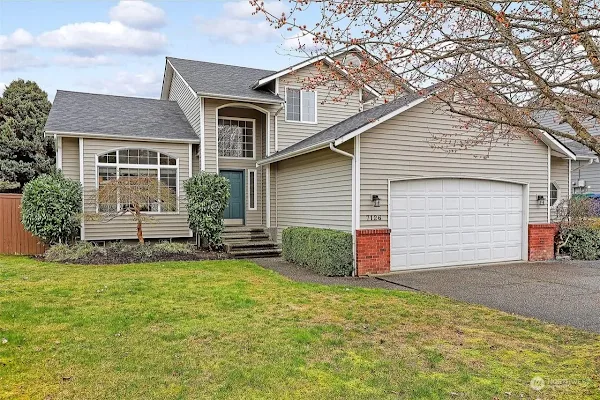
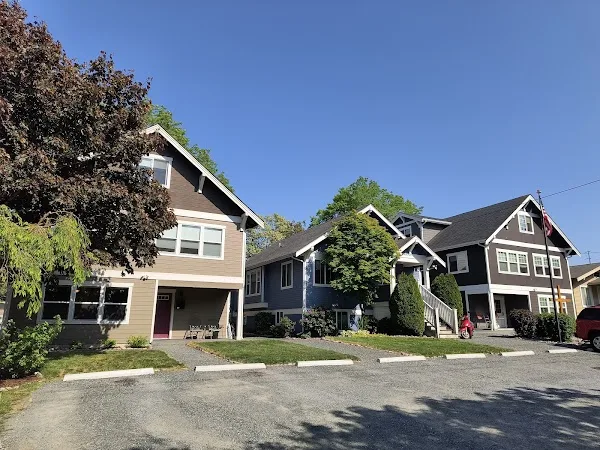
- Sober Living Homes: For some individuals, transitioning directly from rehab to their previous living environment can be overwhelming. Sober living homes provide a structured and supportive environment where residents can continue their recovery journey while gradually regaining independence. These homes typically have rules and guidelines that promote sobriety, such as mandatory drug testing and attendance at support group meetings. Several sober living options exist in Washington, particularly in larger cities.
Finding Support Groups in Washington
Washington offers a wide range of support group options to meet diverse needs. Here's how to find them:
- Alcoholics Anonymous (AA): Visit the AA website (area 72) to find meeting schedules and locations throughout Washington. You can search by city or county.
- Narcotics Anonymous (NA): The NA website provides a directory of NA meetings in Washington, searchable by location.
- SMART Recovery: Use the SMART Recovery website to find local meetings or online support groups.
- Local Treatment Centers: Many treatment centers in Washington offer alumni support groups or recommend local resources. Contact the rehab facility where you received treatment for recommendations. For example, rehab centers in Bellevue often have robust aftercare programs.
- Community Resource Centers: Local community centers and social service agencies often host or provide information about support groups for addiction recovery.
Building a Personal Support Network
While formal support groups are valuable, it's also important to cultivate a personal support network of friends, family members, and other individuals who can provide encouragement and support. This may involve:
- Reconnecting with supportive family members and friends: Identify individuals who are understanding and supportive of your recovery. Spend time with them, share your experiences, and ask for their help when you need it.
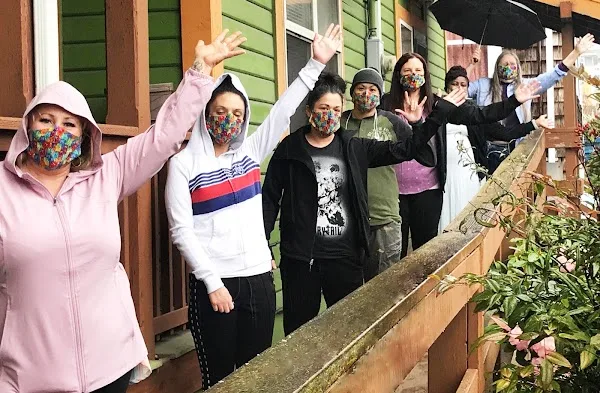
- Building new sober friendships: Seek out social activities and events that don't involve alcohol or drugs. This could include joining a hiking club, volunteering, or taking a class. Connect with people who share your interests and values.
- Communicating your needs: Let your loved ones know how they can best support you. Be clear about your boundaries and what you need from them.
- Being a support to others: Helping others in their recovery journey can be a powerful way to strengthen your own sobriety. Consider volunteering at a local treatment center or sponsoring someone in a 12-step program.
Addressing Challenges and Maintaining Your Network
Building and maintaining a support network takes time and effort. You may encounter challenges along the way, such as:
- Difficulty finding the right support group: Don't be discouraged if you don't find the perfect fit right away. Try different groups until you find one where you feel comfortable and supported.
- Reluctance from family or friends: Some family members or friends may not understand addiction or know how to support your recovery. Educate them about addiction and your needs, and be patient with their process.
- Feeling isolated or lonely: This is a common experience in early recovery. Reach out to your support network, attend support group meetings, and engage in activities that you enjoy.
To maintain your support network, make a conscious effort to stay connected with the people who are important to you. Attend support group meetings regularly, reach out to friends and family, and be willing to ask for help when you need it. Remember, building a strong support network is an ongoing process, but it's an investment in your long-term sobriety and well-being in Washington.
Local Resources in Washington State
Here are some additional resources specific to Washington that can help you build your sober support network:
- Washington Recovery Helpline: A 24-hour crisis line that provides information and referrals to substance use disorder treatment and support services.
- Washington State Department of Social and Health Services (DSHS): Provides information about substance use disorder treatment and prevention services in Washington.
- Mental Health Resources: Search for therapists and mental health professionals in your area who specialize in addiction recovery.
Remember that recovery is a journey, not a destination. By building a strong support network and utilizing the resources available to you in Washington, you can increase your chances of sustained sobriety and build a fulfilling life free from addiction.