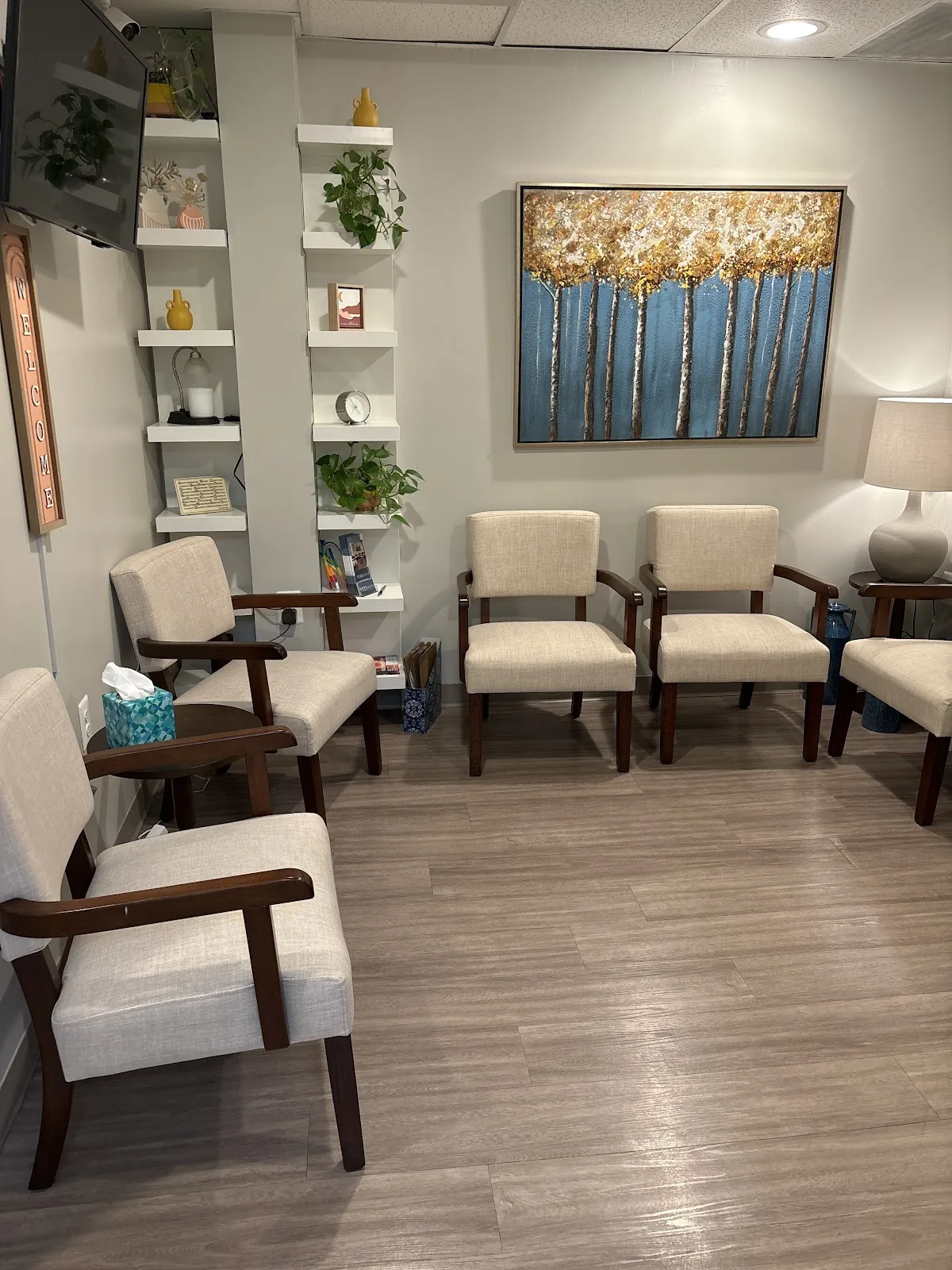

Women's Sober Living Homes in Washington: A Guide to Finding Support
Finding the right support system is crucial for women navigating the journey of addiction recovery. Sober living homes, also known as transitional housing, offer a structured and supportive environment that can significantly improve long-term sobriety. This guide provides essential information about women's sober living homes in Washington state, helping you understand what they offer and how to find the best fit for your needs.
What are Women's Sober Living Homes?
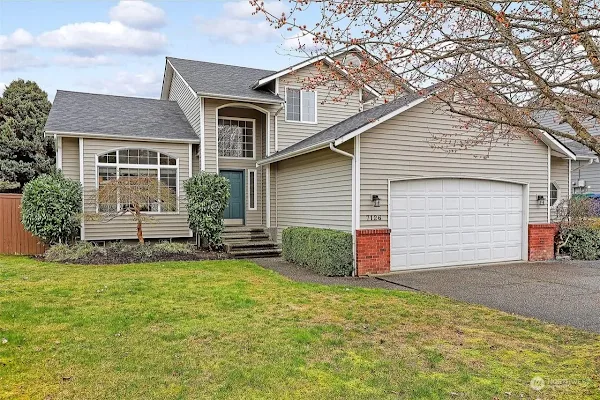
Sober living homes provide a bridge between inpatient treatment or intensive outpatient programs and independent living. These homes offer a safe, substance-free environment where women can practice the coping mechanisms and life skills learned in treatment. Unlike rehab centers, sober living homes focus on fostering independence and personal responsibility while maintaining a strong support network.
Specifically, women's sober living homes cater to the unique challenges women face in recovery. They create a space where women can connect with others who understand their experiences, build supportive relationships, and address issues like trauma, co-dependency, and societal pressures in a safe and understanding environment. In places like Seattle, where the cost of living is high, sober living can be a more affordable option than living alone during early recovery.
Benefits of Choosing a Women's Sober Living Home
- Structure and Accountability: Sober living homes enforce rules and expectations regarding sobriety, curfews, and household responsibilities, creating a structured environment that promotes accountability.
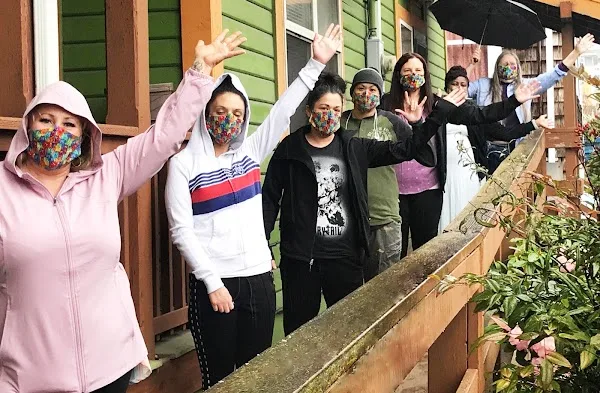
- Peer Support: Living with other women in recovery provides a built-in support system. Residents can share their experiences, offer encouragement, and hold each other accountable.
- Reduced Relapse Risk: The supportive environment and regular drug testing significantly reduce the risk of relapse.
- Development of Life Skills: Sober living homes often incorporate programs that help residents develop essential life skills, such as budgeting, job searching, and conflict resolution.
- Access to Resources: Many sober living homes are connected to local resources, such as support groups, therapists, and employment agencies.
- Safe and Supportive Environment: These homes provide a safe space free from triggers and temptations, allowing women to focus on their recovery.
- Location Considerations: Access to public transportation in cities like Tacoma or Spokane can be a significant advantage for residents seeking employment or attending outpatient programs.
What to Look for in a Women's Sober Living Home in Washington
Choosing the right sober living home is a personal decision. Consider the following factors when making your selection:
- Accreditation and Licensing: Verify that the home is licensed and accredited by relevant Washington state agencies. This ensures that the home meets certain standards of safety and quality.
- Location: Consider the location of the home in relation to your support network, outpatient treatment programs, and potential employment opportunities. Think about cities like Vancouver, WA and whether the proximity to Portland, OR will be a help or hindrance to your recovery.
- Cost: Inquire about the cost of rent, utilities, and any additional fees. Understand what is included in the price and what expenses you will be responsible for.
- Rules and Regulations: Review the house rules and regulations to ensure they align with your recovery goals and personal values.
- Staff Support: Find out what kind of staff support is available, such as house managers, counselors, or case managers.
- Amenities: Consider the amenities offered by the home, such as laundry facilities, internet access, and recreational activities.
- Program Structure: Some sober living homes offer structured programs, such as group therapy, 12-step meetings, or life skills workshops. Determine if these programs align with your needs.
- Resident Demographics: Consider the age range and background of the other residents. Finding a community where you feel comfortable and connected is essential.
- Visitation Policies: Understand the visitation policies and whether you can have visitors.
- Length of Stay: Inquire about the typical length of stay and whether there is flexibility to extend your stay if needed.
Finding Women's Sober Living Homes in Washington
Several resources can help you find women's sober living homes in Washington:
- Washington State Department of Health: The Department of Health may have information on licensed and certified recovery residences.
- SAMHSA's Behavioral Health Treatment Services Locator: This online tool allows you to search for treatment facilities and recovery residences in your area.
- Your Treatment Provider: Your therapist, counselor, or case manager can provide referrals to reputable sober living homes.
- Local Support Groups: Attend local support groups, such as Alcoholics Anonymous (AA) or Narcotics Anonymous (NA), and ask for recommendations.
- Online Directories: Many online directories specialize in listing sober living homes. Be sure to verify the information and check for reviews.
- Word of Mouth: Talk to people you trust in the recovery community and ask for their recommendations.
Questions to Ask When Evaluating a Sober Living Home
Before committing to a sober living home, ask the following questions:
- Is the home licensed and accredited?
- What are the house rules and regulations?
- What is the cost of rent and other fees?
- What kind of staff support is available?
- What amenities are offered?
- What is the program structure?
- What are the visitation policies?
- How long can I stay at the home?
- What are the consequences of violating the house rules?
- Do you conduct drug testing? How often?
- What is the process for addressing conflicts between residents?
Financing Sober Living
Paying for sober living can be a concern. Here are some potential funding sources:
- Self-Pay: Many residents pay for sober living out-of-pocket.
- Insurance: While some insurance plans may not directly cover sober living, they might cover associated services like therapy or case management. Check with your insurance provider.
- Loans: Personal loans or loans from family and friends can help cover the costs.
- Scholarships and Grants: Some organizations offer scholarships or grants to help individuals in recovery pay for sober living. Research local and national organizations that provide financial assistance.
- State Assistance Programs: Explore whether Washington state offers any financial assistance programs for individuals in recovery.
Making the Transition
Moving into a sober living home is a significant step. Prepare yourself by:
- Visiting the home: If possible, visit the home before moving in to get a feel for the environment and meet the staff and residents.
- Communicating with the staff: Talk to the staff about your needs and concerns.
- Setting realistic expectations: Understand that sober living is not a cure-all, but a supportive environment that requires effort and commitment.
- Building a support network: Connect with other residents and build a strong support network.
- Attending support groups: Continue attending support groups, such as AA or NA, to maintain your sobriety.
- Being open to feedback: Be open to feedback from the staff and other residents.
Choosing a women's sober living home in Washington is an investment in your recovery journey. By carefully considering your needs and preferences, researching your options, and asking the right questions, you can find a supportive environment that empowers you to achieve long-term sobriety. Remember to utilize local resources, such as those in Everett or smaller communities, to maximize your support system.
More Recovery Resources in Washington
Sober Network is a directory, not an intake form. Explore local facilities and contact providers directly.