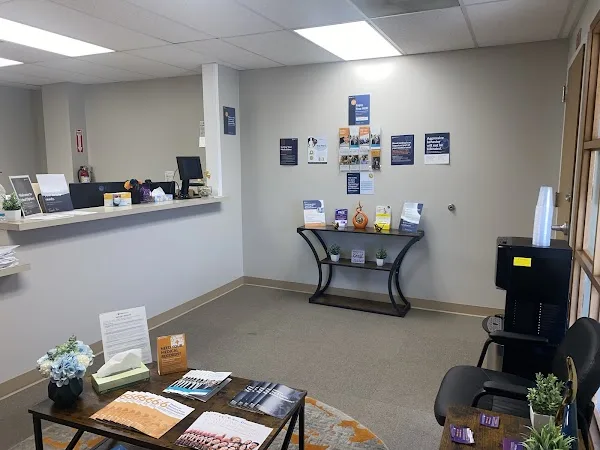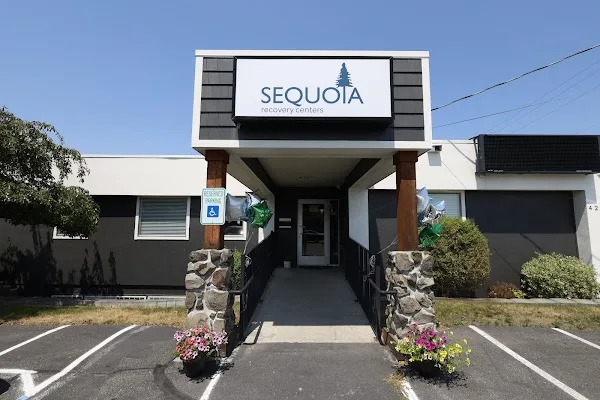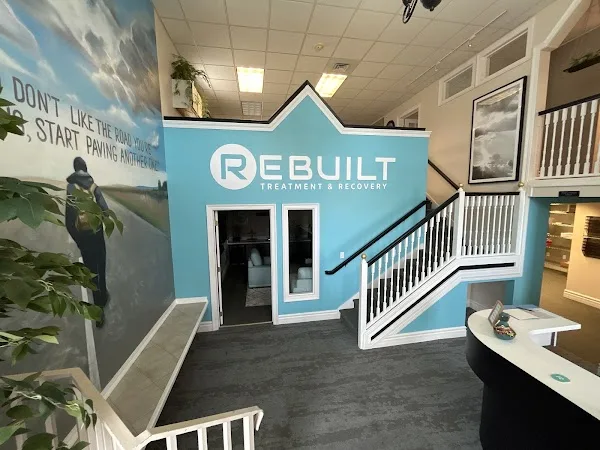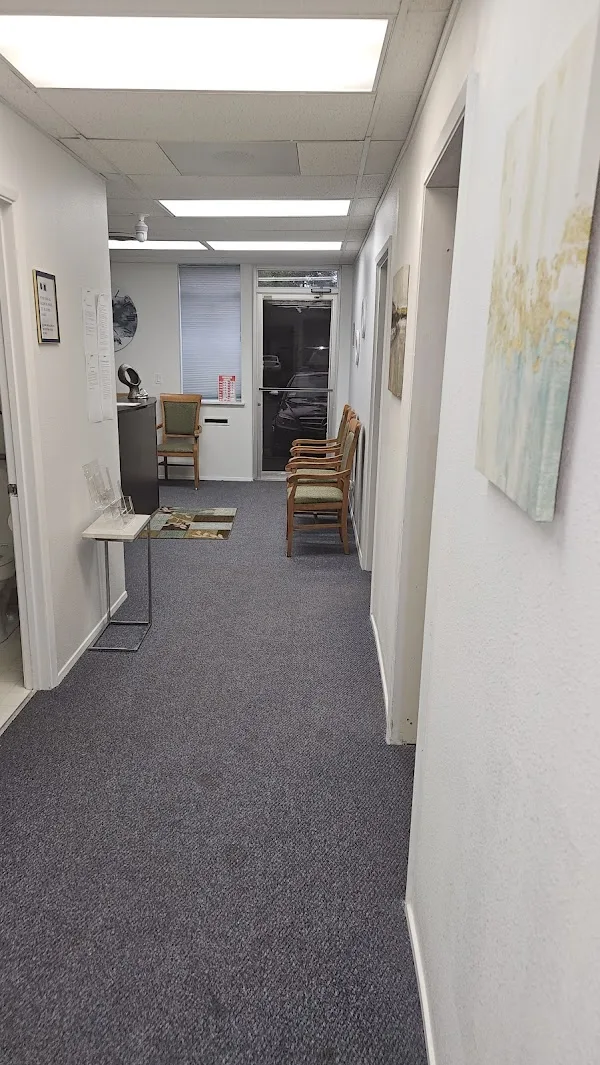

Finding the right addiction treatment center is a crucial step towards recovery. In Washington, DC, there are various types of facilities that cater to different needs and circumstances. This guide will provide an overview of the treatment options available in 2026, how to evaluate the quality of care, what to expect during the admission process, and more. Your journey to recovery is important, and understanding your options can empower you to make informed decisions.
Types of Treatment Centers
In Washington, DC, treatment centers generally fall into three main categories:
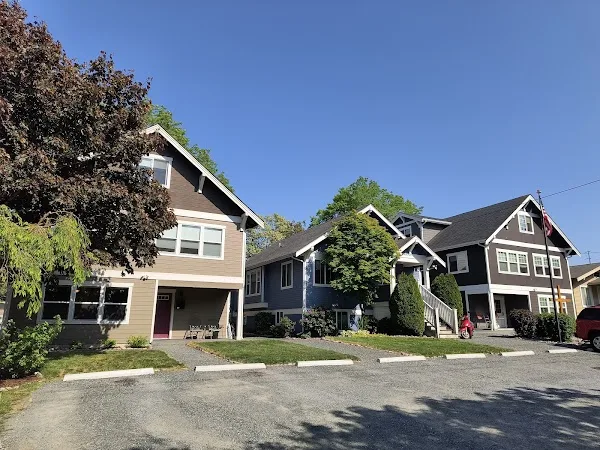
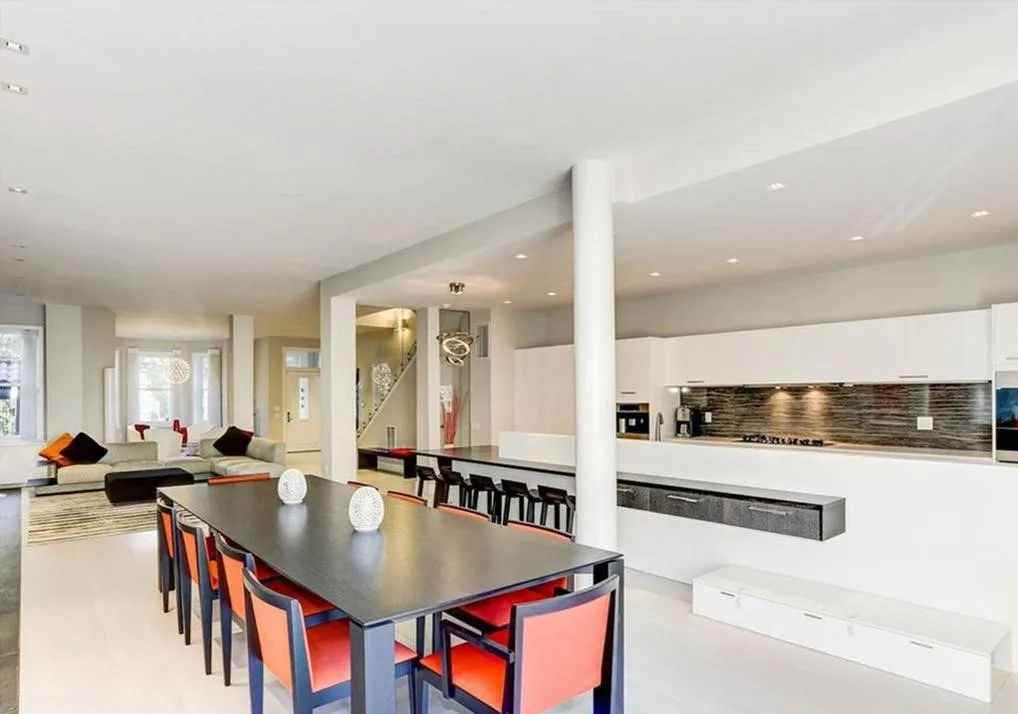
- Residential Treatment: This is a highly structured program where individuals reside at the facility for the duration of their treatment. It provides a supportive environment away from triggers and allows for intensive therapy and care.
- Partial Hospitalization Programs (PHP): PHP offers a step down from residential care, allowing clients to spend most of their day in treatment while returning home in the evenings. This option is ideal for those who have a supportive home environment.
- Intensive Outpatient Programs (IOP): IOPs provide a flexible schedule that allows individuals to attend treatment several times a week while maintaining their daily responsibilities, such as work or school.
Evaluating Quality of Care
When selecting a treatment center, it’s essential to assess the quality of care they provide. Here are some key factors to consider:
- Staff Credentials: Ensure that the treatment center employs licensed and experienced professionals, including doctors, therapists, and counselors.
- Evidence-Based Practices: Look for programs that utilize evidence-based treatments, such as Cognitive Behavioral Therapy (CBT) or Motivational Interviewing.
- Client Reviews: Research testimonials and reviews from former clients to gauge their experiences and outcomes.
Accreditation
Accreditation is an important indicator of a treatment center's credibility and quality. In Washington, DC, look for centers accredited by:
- CARF (Commission on Accreditation of Rehabilitation Facilities): This organization assesses and accredits addiction treatment programs, ensuring they meet specific standards of care.
- The Joint Commission: This body evaluates health care organizations and programs, focusing on safety and quality of care.
What to Expect During Admission
The admission process can be daunting, but knowing what to expect can ease your concerns. Typically, the process involves:
- Assessment: A thorough evaluation to understand your specific needs, including physical health, mental health, and substance use history.
- Personalized Treatment Plan: Based on the assessment, a treatment plan will be created to address your unique circumstances.
- Orientation: Familiarization with the facility, staff, and the rules and expectations during your stay.
Average Cost and Length of Stay
The cost of addiction treatment in Washington, DC can vary significantly based on the type of program and the facility. On average:
- Residential Treatment: Costs can range from $15,000 to $60,000 for a 30-day stay.
- PHP: Expect to pay between $10,000 and $30,000 for a typical 30-day program.
- IOP: This option is generally more affordable, with costs ranging from $5,000 to $15,000 for a few months of treatment.
The length of stay varies by individual needs, but most residential programs last around 30 to 90 days, while PHP and IOP can range from several weeks to several months.
Insurance-Accepted Facilities
Many treatment centers in Washington, DC accept a variety of insurance plans. It's essential to verify coverage with your insurance provider. Commonly accepted plans include:
- UnitedHealthcare
- Aetna
- Cigna
- Blue Cross Blue Shield
State-Funded Options
If cost is a concern, Washington, DC offers state-funded treatment options for those who qualify. These facilities can provide services at little to no charge, ensuring that everyone has access to the help they need.
Aftercare Planning
Aftercare is a vital component of successful recovery. Many treatment centers in Washington, DC offer aftercare programs, which may include:
- Support Groups: Participation in groups like Alcoholics Anonymous (AA) or Narcotics Anonymous (NA).
- Continued Therapy: Ongoing individual or group therapy sessions to maintain accountability and support.
- Relapse Prevention Strategies: Learning skills and tools to manage triggers and cravings once treatment is completed.
How to Get Started
Embarking on the journey of recovery takes courage. To get started, follow these steps:
- Research Treatment Centers: Look for facilities that meet your needs and preferences.
- Contact Admissions: Reach out to the centers directly to inquire about programs, costs, and insurance.
- Prepare for Admission: Gather any necessary documentation and reach out to supportive friends or family members.
Remember, seeking help is a sign of strength, and taking the first step can lead you towards a healthier, happier life. You are not alone in this journey, and there are many resources available to support you.
More Recovery Resources in Washington
Sober Network is a directory, not an intake form. Explore local facilities and contact providers directly.