Entendendo o Diagnóstico Duplo: Transtornos Mentais e de Uso de Substâncias Concomitantes
Dual diagnosis, also known as co-occurring disorders, refers to the simultaneous presence of a mental health condition and a substance use disorder in an individual. This complex relationship can complicate treatment and recovery, but with the right approach, individuals can achieve lasting wellness. In Washington, various resources and treatment options are available for those navigating dual diagnosis.
Condições comuns que ocorrem simultaneamente
Individuals facing dual diagnosis often experience a variety of mental health conditions alongside their substance use disorders. Some of the most common co-occurring conditions include:
- Depressão: Many individuals with depression may turn to alcohol or drugs as a form of self-medication.
- Transtornos de Ansiedade: Anxiety can lead to substance use as a coping mechanism, creating a cycle that exacerbates both conditions.
- Transtorno de Estresse Pós-Traumático (TEPT): Those who have experienced trauma may struggle with substance use as a way to escape the emotional pain.
- Transtorno bipolar: The mood swings associated with bipolar disorder can lead to impulsive substance use, complicating treatment.
Por que o tratamento integrado é importante
Integrated treatment is a holistic approach that addresses both mental health and substance use disorders simultaneously. This method is crucial for several reasons:
- Atendimento integral: Treating both conditions together allows for a more complete understanding of how they interact, which can lead to better outcomes.
- Redução do risco de recaída: Integrated treatment helps individuals develop coping strategies for both their mental health and substance use, reducing the chances of relapse.
- Improved Engagement: When both disorders are addressed, individuals may be more likely to engage in treatment and adhere to their recovery plans.
- Ambiente favorável: Integrated treatment often fosters a supportive community that understands the complexities of dual diagnosis.
What to Look for in a Dual Diagnosis Program
When seeking treatment for dual diagnosis, it's essential to find a program that meets your unique needs. Here are some key factors to consider:
- Qualified Professionals: Look for programs staffed by licensed therapists, counselors, and medical professionals who specialize in dual diagnosis.
- Planos de tratamento personalizados: The best programs will tailor treatment plans to address both the mental health and substance use components of your diagnosis.
- Práticas baseadas em evidências: Ensure the program employs evidence-based therapies, such as Cognitive Behavioral Therapy (CBT) or Dialectical Behavior Therapy (DBT), which have been proven effective for dual diagnosis.
- Suporte pós-venda: A strong aftercare program is vital for maintaining recovery. Look for resources that offer ongoing support, such as sober living environments or connections to local support groups like Alcoólicos Anônimos.
- Holistic Approaches: Programs that incorporate wellness activities, such as yoga, mindfulness, or nutrition counseling, can enhance overall recovery.
Resources for Dual Diagnosis Treatment in Washington
Washington offers a variety of resources for individuals seeking help with dual diagnosis. Here are a few options to consider:
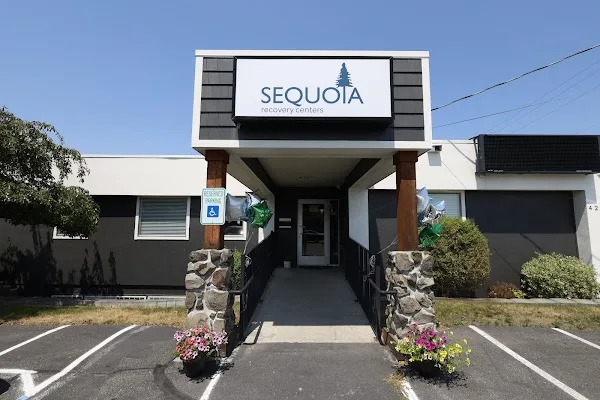
- Substance Use Treatment Programs: Many facilities specialize in treating dual diagnosis, providing integrated services tailored to individual needs.
- Detox Services: Medically supervised detox can be an essential first step in the recovery process, particularly for those with severe substance use disorders.
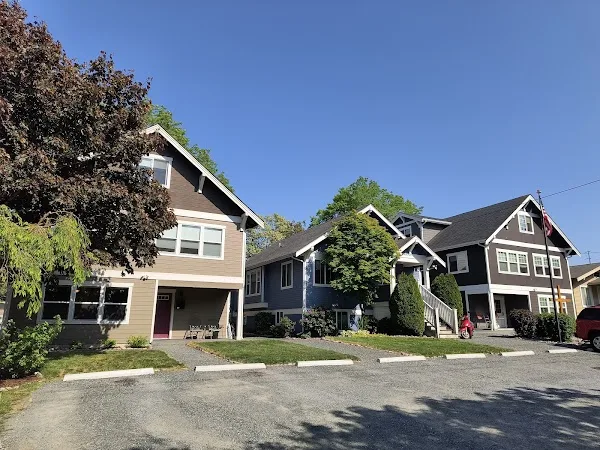
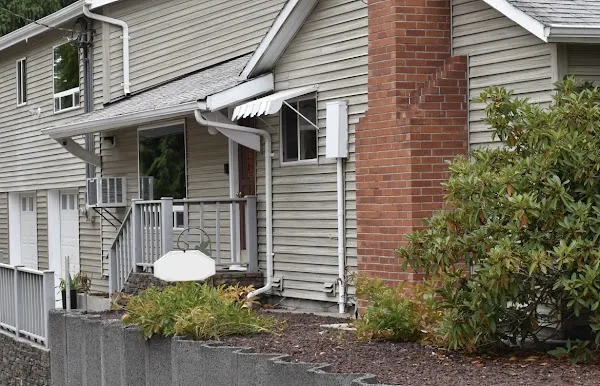
- Sober Living Environments: These provide a supportive community for those in recovery, helping to bridge the gap between treatment and independent living.
- Obter Ajuda: If you or a loved one is struggling with dual diagnosis, don't hesitate to reach out for professional help.
Recovery from dual diagnosis is a journey, but it is one that can lead to a fulfilling and healthy life. With the right support and treatment, individuals can learn to manage their symptoms and reclaim their lives. Remember, you are not alone, and there are many resources available in Washington to help you on your path to recovery.
Este artigo tem caráter meramente informativo e não substitui a consulta médica.
```Mais recursos de recuperação em Washington
- AA Meetings in Washington: A Beginner's Guide to Getting Started
- Programas ambulatoriais para tratamento de dependência química em Washington: Recuperação flexível
- Signs Your Loved One in Washington May Need Addiction Help
- Conheça as Casas de Recuperação para Sobriedade em Washington.
- Encontre centros de desintoxicação em Washington
- Obtenha ajuda gratuita agora
Sober Network is a directory, not an intake form. Explore local facilities and contact providers directly.