Introduction to Outpatient Addiction Treatment Programs in Washington, DC
Outpatient addiction treatment programs are essential for individuals seeking recovery from substance use disorders while maintaining their daily responsibilities. Washington, DC, offers various outpatient options, including Intensive Outpatient Programs (IOP), Partial Hospitalization Programs (PHP), and standard outpatient therapy. Understanding the distinctions between these programs, their daily schedules, suitability, costs, insurance coverage, and practical steps to find the right program can significantly aid in the recovery journey.
Understanding the Types of Outpatient Programs
强化门诊治疗项目(IOP)
Intensive Outpatient Programs (IOP) are designed for individuals who require more structured support but do not need 24/7 care. These programs typically involve:
- 频率: 3-5 days per week
- Duration: 3-4 hours per day
- Activities: Group therapy, individual counseling, education on addiction, and skill-building workshops.
IOP is best suited for those with moderate addiction severity or those transitioning from inpatient care who still require close monitoring and support.
部分住院治疗计划(PHP)
Partial Hospitalization Programs (PHP) offer a higher level of care than IOPs. Key features include:
- 频率: 5-7 days per week
- Duration: 5-8 hours per day
- Activities: Comprehensive treatment including medical support, group therapy, and individual counseling.
PHP is ideal for individuals with severe addiction issues or co-occurring mental health disorders who need more intensive support but can safely live at home or in a sober living environment.
Standard Outpatient Therapy
Standard outpatient therapy is the least intensive option and is characterized by:
- 频率: 1-2 times a week
- Duration: 1-2 hours per session
- Activities: Individual counseling and occasional group sessions.
This option is suitable for individuals with mild addiction issues, those who have completed more intensive programs, or those seeking ongoing support in recovery.
门诊项目的每日日程安排
The daily schedule in outpatient programs varies based on the type of program. Generally, a typical day in IOP or PHP may include:
- Morning check-in and group therapy sessions
- Break for lunch
- Individual therapy or education sessions
- Evening wrap-up and reflections
Standard outpatient therapy sessions are usually scheduled based on the client’s availability, allowing for flexibility in balancing work or other commitments.
从住院治疗过渡到门诊治疗
Transitioning from inpatient to outpatient care is a crucial step in the recovery process. Here are some practical steps:
- Communicate with your treatment team: Discuss your readiness for outpatient care and ask for recommendations on suitable programs.
- Set a schedule: Work with your outpatient program to create a schedule that fits your recovery needs and personal responsibilities.
- Establish a support system: Engage with family, friends, or support groups to maintain accountability during the transition.
- Continue self-care: Incorporate healthy habits such as exercise, nutrition, and mindfulness practices to support your recovery journey.
成本比较和保险范围
The cost of outpatient treatment programs can vary significantly based on the type and duration of the program. Generally:
- 眼压: Costs range from $3,000 to $10,000 for a typical program.
- PHP: Costs may be higher, ranging from $5,000 to $15,000 depending on the intensity and length of the program.
- Standard outpatient: Generally, costs are lower, ranging from $1,000 to $5,000 depending on the number of sessions.
Most insurance plans provide some level of coverage for outpatient treatment, but it’s crucial to verify specifics with your provider. Many programs in Washington, DC, offer financial assistance or sliding scale fees based on income.
Finding Outpatient Programs in Washington, DC
Searching for the right outpatient program in Washington, DC, can feel overwhelming, but there are practical steps to make it easier:
- 在线搜索: Use resources like the Substance Abuse and Mental Health Services Administration (SAMHSA) website to find accredited programs.
- Seek referrals: Ask healthcare providers, support groups, or friends who have gone through recovery for recommendations.
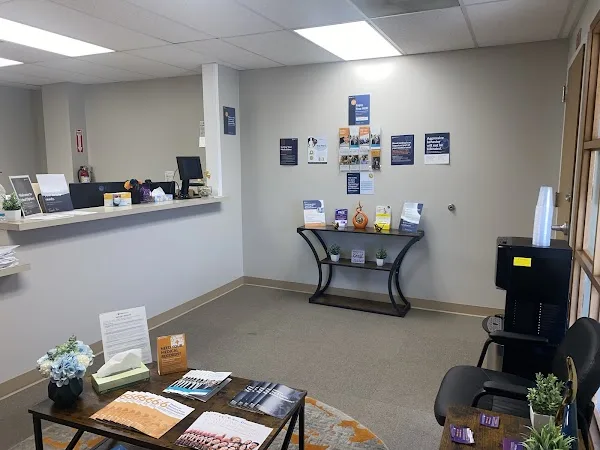
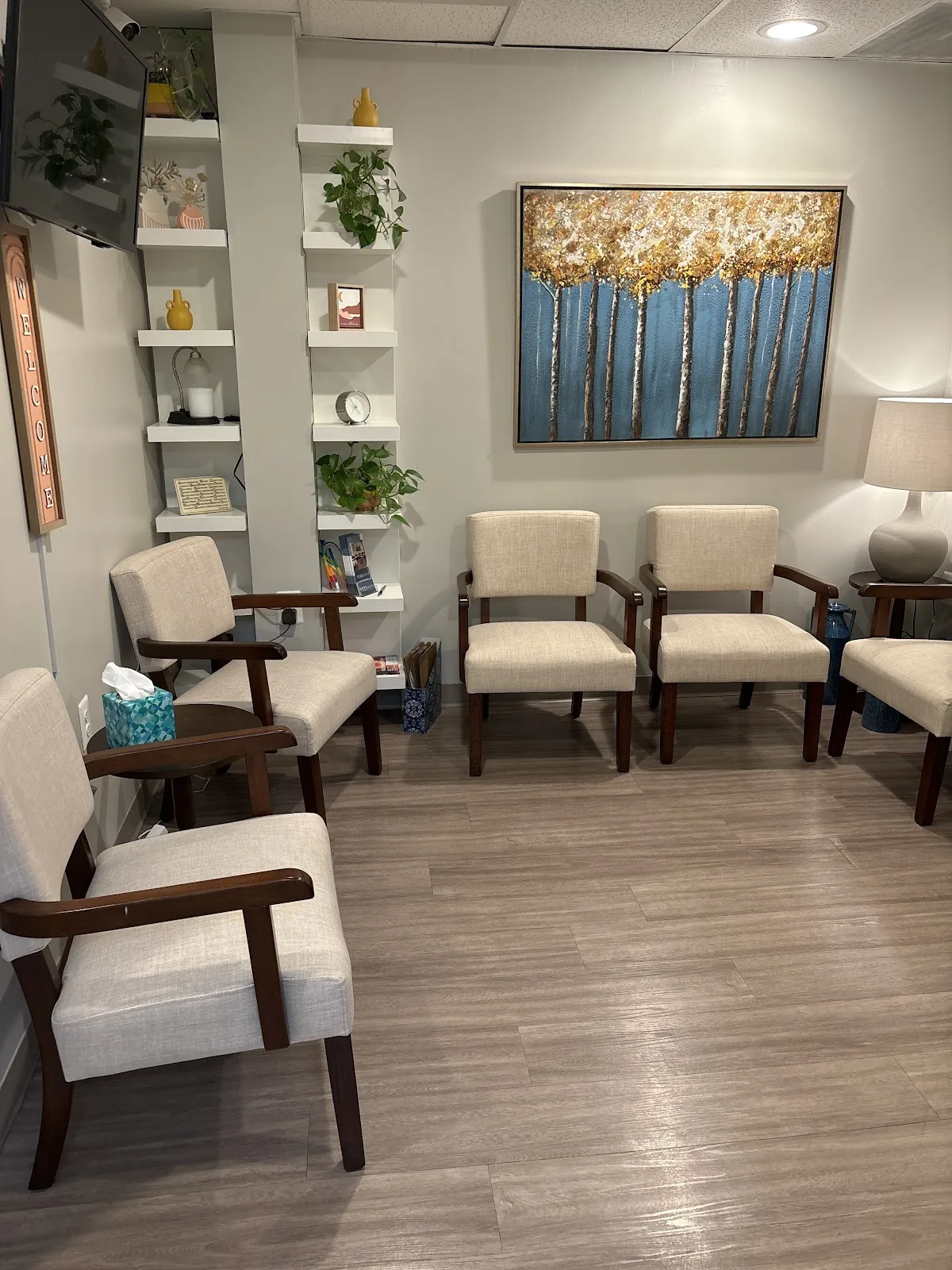
- Visit local recovery centers: Attend open houses or informational sessions to get a feel for the program environment and staff.
- Contact multiple programs: Inquire about treatment options, schedules, costs, and insurance acceptance to find the best fit for your needs.
More Recovery Resources in Washington
Sober Network is a directory, not an intake form. Explore local facilities and contact providers directly.