
Staying Sober Long-Term in Washington: Tips from the Recovery Community
Building a Foundation for Lasting Recovery in Seattle, Spokane, and Beyond
Maintaining sobriety after completing an initial treatment program is a lifelong journey. It requires ongoing commitment, a strong support system, and proactive strategies to navigate triggers and challenges. This guide, informed by the experiences of the Washington recovery community, offers practical advice for building a solid foundation for long-term sobriety across the state, from the bustling city life of Seattle to the serene landscapes surrounding Spokane.
Finding Your Tribe: The Power of Support Groups
Isolation is a significant risk factor for relapse. Connecting with others who understand the challenges of recovery is crucial. Washington offers a wide array of support groups:
- 12-Step Programs: Alcoholics Anonymous (AA) and Narcotics Anonymous (NA) are widely available throughout Washington. Meetings can be found in virtually every city and town, including Vancouver, Tacoma, and Yakima. Use the AA and NA websites to find meeting schedules and locations near you. Many meetings are now offered online, increasing accessibility for those in more remote areas of Washington.
- SMART Recovery: This science-based program offers a secular approach to recovery. SMART Recovery meetings are available in several Washington cities, including Seattle and Bellevue. Check the SMART Recovery website for a list of meetings and online resources.
- Refuge Recovery: This Buddhist-inspired program combines meditation and mindfulness practices with addiction recovery principles. Look for Refuge Recovery meetings in larger cities like Seattle and Olympia.
- Celebrate Recovery: A Christ-centered recovery program that addresses various hurts, habits, and hang-ups, including addiction. Many churches throughout Washington host Celebrate Recovery meetings.
- Local Community Centers: Community centers often host support groups for individuals in recovery and their families. Check with your local community center in cities like Everett or Bellingham for available programs.
Tip from the community: Don't be afraid to try different groups until you find one that feels like a good fit. It's about finding a supportive environment where you feel comfortable sharing and connecting with others.
Developing a Relapse Prevention Plan: Your Personal Safety Net
A relapse prevention plan is a personalized strategy for identifying and managing triggers, coping with cravings, and responding to high-risk situations. Key components of a relapse prevention plan include:
- Identifying Triggers: What people, places, things, or situations increase your risk of using? Be specific. For example, "feeling stressed at work," "seeing old friends who still use," or "driving past my old bar in downtown Seattle."
- Developing Coping Mechanisms: What strategies can you use to manage cravings and urges? Examples include exercise, meditation, spending time in nature (hiking in the Cascades, perhaps?), calling a sponsor, or attending a support group meeting in Spokane.
- Building a Support Network: Who can you call when you're struggling? Keep a list of phone numbers readily available. This might include your sponsor, therapist, family members, or friends in recovery.
- Identifying High-Risk Situations: What situations are most likely to lead to relapse? Develop a plan for avoiding or managing these situations. This might involve changing your routine, avoiding certain places, or setting boundaries with certain people.
- Recognizing Warning Signs: What are the early warning signs that you're heading toward relapse? This might include changes in mood, sleep patterns, eating habits, or social interactions.
Tip from the community: Regularly review and update your relapse prevention plan. As you progress in your recovery, your triggers and coping mechanisms may change.
Leveraging Washington's Resources: Treatment and Support Services
Washington State offers a variety of resources to support individuals in recovery:
- Washington Recovery Helpline: This 24/7 helpline provides confidential information and referrals to substance use disorder treatment, mental health services, and other resources throughout the state.
- Washington State Department of Social and Health Services (DSHS): DSHS offers a range of services for individuals with substance use disorders, including assessment, treatment, and recovery support.
- Local Mental Health Agencies: County-based mental health agencies provide services such as therapy, case management, and peer support.
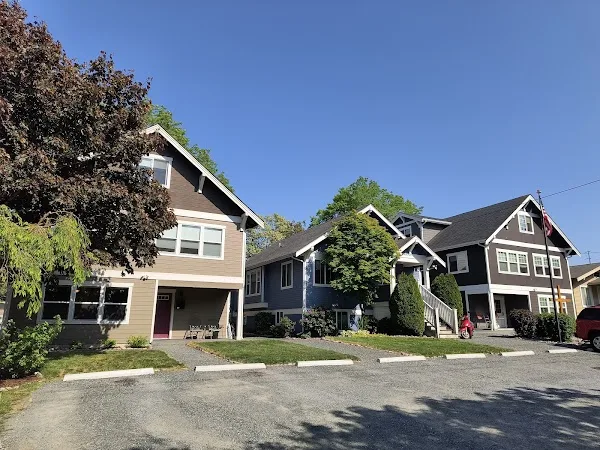
- Recovery Residences: Sober living homes provide a supportive and structured environment for individuals in early recovery. Many are located in the greater Seattle area.
- Vocational Rehabilitation Services: These services help individuals with disabilities, including those in recovery from addiction, find and maintain employment.
Tip from the community: Don't hesitate to reach out for help when you need it. There are many resources available to support your recovery journey.
Prioritizing Self-Care: Nurturing Your Well-being
Recovery is about more than just abstaining from substances. It's about creating a fulfilling and meaningful life. Prioritizing self-care is essential for maintaining long-term sobriety. Consider incorporating these practices into your routine:
- Regular Exercise: Physical activity can help reduce stress, improve mood, and boost energy levels. Consider hiking in the Olympic National Park, biking along the Burke-Gilman Trail in Seattle, or simply taking a daily walk in your neighborhood.
- Healthy Diet: Nourishing your body with healthy foods can improve your physical and mental health.
- Adequate Sleep: Getting enough sleep is essential for managing stress and maintaining a stable mood.
- Mindfulness and Meditation: These practices can help you become more aware of your thoughts and feelings and develop skills for managing stress and cravings. Many meditation centers are located in Seattle and other Washington cities.
- Creative Expression: Engaging in creative activities, such as painting, writing, or music, can be a therapeutic outlet for emotions.
- Spending Time in Nature: Connecting with nature can be calming and restorative. Washington offers a wealth of opportunities to enjoy the outdoors, from the beaches of the Pacific coast to the mountains of the Cascade Range.
Tip from the community: Find activities that you enjoy and make them a regular part of your routine. Self-care is not a luxury; it's a necessity for long-term recovery.
Embracing the Journey: Long-Term Sobriety in Washington
Staying sober is a journey, not a destination. There will be challenges and setbacks along the way. Remember to be patient with yourself, celebrate your successes, and learn from your mistakes. By building a strong foundation of support, developing a relapse prevention plan, and prioritizing self-care, you can increase your chances of achieving long-term sobriety in Washington and living a fulfilling life free from addiction. The recovery community in places like Kennewick and Renton are there to help you every step of the way.
More Recovery Resources in Washington
Sober Network is a directory, not an intake form. Explore local facilities and contact providers directly.