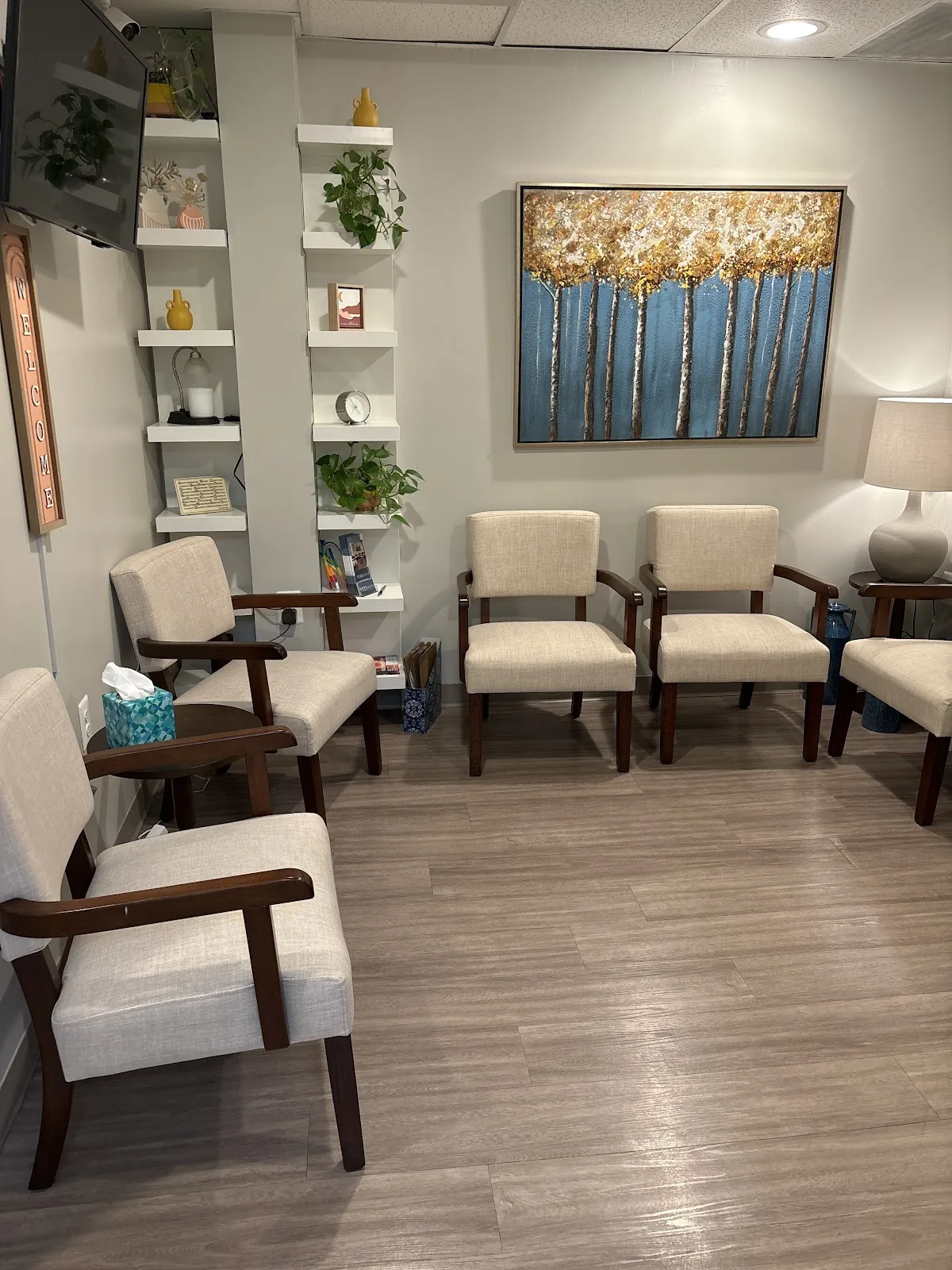

IOP and PHP Programs in Washington: How Intensive Outpatient Works
Finding the right level of addiction treatment is crucial for successful recovery. In Washington state, Intensive Outpatient Programs (IOPs) and Partial Hospitalization Programs (PHPs) offer structured support without requiring a residential stay. These programs bridge the gap between standard outpatient therapy and inpatient rehab, providing a more immersive treatment experience while allowing you to live at home.
Understanding the Levels of Care
Before diving into IOPs and PHPs, it's helpful to understand the continuum of addiction treatment. This typically includes:
- Detoxification: Medically supervised withdrawal management, often the first step for those with physical dependence. Many detox centers are located in cities like Seattle and Spokane.
- Inpatient/Residential Treatment: 24/7 care in a structured environment, ideal for severe addictions and co-occurring mental health disorders.
- Partial Hospitalization Program (PHP): A day program offering intensive therapy and support services, typically 5-7 days a week for several hours each day.
- Intensive Outpatient Program (IOP): A structured outpatient program with regular therapy sessions, group support, and educational workshops, usually 3-5 days a week.
- Outpatient Therapy: Individual or group therapy sessions on a less frequent basis, often used for ongoing support after completing a higher level of care.
- Sober Living Homes: Supportive residences that provide a drug-free environment and promote independent living skills. You can find sober living homes in areas like Tacoma and Vancouver.
What is an Intensive Outpatient Program (IOP)?
An IOP is a structured treatment program that allows you to receive intensive addiction therapy while living at home. This flexibility makes it a suitable option for individuals who:
- Have a stable living environment and supportive network.
- Do not require 24/7 medical supervision.
- Are transitioning from inpatient treatment and need continued support.
- Have a less severe addiction or co-occurring mental health condition.
- Need to maintain work or family responsibilities.
Components of an IOP:
- Individual Therapy: One-on-one sessions with a therapist to address personal challenges and develop coping strategies.
- Group Therapy: Group sessions facilitate peer support, sharing experiences, and learning from others in recovery. Common themes include relapse prevention, coping skills, and emotional regulation.
- Educational Workshops: These workshops cover topics such as addiction education, relapse prevention, stress management, and healthy living.
- Family Therapy: Involving family members in the treatment process can improve communication, address enabling behaviors, and create a supportive home environment.
- Medication Management: If necessary, medication-assisted treatment (MAT) may be incorporated to manage withdrawal symptoms and cravings.
- Case Management: Connecting you with community resources, such as housing assistance, employment services, and support groups.
Duration and Intensity: IOPs typically meet for 9-19 hours per week, spread over 3-5 days. The duration of the program varies depending on individual needs, but it generally lasts for several weeks to a few months. Many IOPs in Washington offer flexible scheduling options to accommodate work and family commitments.
What is a Partial Hospitalization Program (PHP)?
A PHP, also known as a day treatment program, offers a more intensive level of care than an IOP. It provides a structured and supportive environment for individuals who need a higher level of monitoring and support but do not require 24/7 inpatient care.
When is a PHP Appropriate?
- Experiencing significant withdrawal symptoms.
- Having co-occurring mental health disorders that require close monitoring.
- Lacking a stable living environment or supportive network.
- Requiring a more structured and intensive treatment experience.
- Having difficulty maintaining sobriety in an outpatient setting.
Components of a PHP:
PHPs offer similar components to IOPs but with greater intensity and frequency. These include:
- Individual Therapy: More frequent individual therapy sessions to address complex issues.
- Group Therapy: Multiple group therapy sessions per day, focusing on various topics related to addiction and recovery.
- Medical Monitoring: Regular check-ins with medical professionals to monitor physical and mental health.
- Psychiatric Services: Access to psychiatric evaluations and medication management.
- Case Management: Comprehensive case management services to connect you with necessary resources.
- Recreational Therapy: Activities designed to promote relaxation, stress reduction, and healthy coping mechanisms.
Duration and Intensity: PHPs typically meet for 5-7 days a week, for 4-8 hours per day. The duration of the program can range from a few weeks to several months, depending on individual needs and progress.
Finding IOP and PHP Programs in Washington
Washington offers a variety of IOP and PHP programs throughout the state. When searching for a program, consider the following factors:
- Accreditation: Ensure the program is accredited by reputable organizations such as CARF or The Joint Commission.
- Licensing: Verify that the program is licensed by the Washington State Department of Health.
- Treatment Philosophy: Research the program's treatment approach and ensure it aligns with your beliefs and values. Some programs may focus on 12-step facilitation, while others may utilize cognitive behavioral therapy (CBT) or dialectical behavior therapy (DBT).
- Specialized Programs: Look for programs that specialize in specific populations or addictions, such as programs for adolescents, veterans, or individuals with opioid use disorder.
- Location: Consider the program's location and accessibility. Programs in larger cities like Seattle, Spokane, and Bellevue may offer more options.
- Cost and Insurance Coverage: Inquire about the program's cost and whether it accepts your insurance. Many insurance plans cover IOP and PHP services, but coverage may vary.
Paying for Treatment in Washington
Paying for addiction treatment can be a concern. Here are some options to explore in Washington:
- Private Insurance: Many private insurance plans cover addiction treatment services. Contact your insurance provider to understand your coverage.
- Medicaid (Apple Health): Washington's Medicaid program, Apple Health, provides coverage for addiction treatment services to eligible individuals.
- State-Funded Programs: Washington State offers some state-funded addiction treatment programs for individuals who meet certain income and eligibility requirements. Contact the Washington State Department of Social and Health Services for more information.
- Payment Plans and Scholarships: Some treatment centers offer payment plans or scholarships to help individuals afford treatment.
Seeking help for addiction is a courageous step. IOP and PHP programs in Washington provide valuable support and structure to help you on your path to recovery. Remember to research your options, ask questions, and choose a program that best meets your individual needs.
More Recovery Resources in Washington
Sober Network is a directory, not an intake form. Explore local facilities and contact providers directly.