
Empowering Women in Addiction Recovery: Resources in Washington, DC
In the journey of addiction recovery, women often face unique challenges that necessitate specialized support and resources. From experiences of trauma to co-occurring mental health issues, the need for gender-specific treatment is critical. Washington, DC, offers a wealth of resources tailored to the needs of women seeking recovery. Understanding these resources can empower women and provide a safe pathway to healing.
Why Gender-Specific Treatment Matters
Women often experience addiction differently than men, influenced by various social, psychological, and biological factors. Gender-specific treatment recognizes these differences, providing a supportive environment where women can share their experiences without fear of judgment. Here are some reasons why such treatment is crucial:
- Understanding Trauma: Many women struggle with past trauma, including abuse and neglect, which can contribute to substance use disorders.
- Building Trust: Gender-specific programs create a safe space that allows women to connect and build trust with their peers and therapists.
- Focus on Unique Needs: Women's programs often address issues like body image, self-esteem, and relationships, which can be significant in recovery.
Trauma-Informed Care
Trauma-informed care is an essential component of effective addiction treatment for women. This approach recognizes the impact of trauma on an individual’s life and offers a supportive framework for healing. In Washington, DC, many treatment facilities incorporate trauma-informed practices, which include:
- Safety: Creating a safe and secure environment to facilitate healing.
- Empowerment: Encouraging women to take control of their recovery journey.
- Collaboration: Involving women in their treatment plans, fostering a sense of ownership.
Programs for Pregnant Women and Mothers
For pregnant women and mothers battling addiction, tailored programs are vital. These initiatives not only focus on substance use recovery but also prioritize the health of both mother and child. Washington, DC offers several resources:
- Comprehensive Prenatal Care: Programs that provide medical care alongside addiction treatment.
- Parenting Classes: Resources designed to equip mothers with skills for nurturing and caring for their children.
- Support Networks: Groups that connect mothers, offering shared experiences and understanding.
Addressing Co-Occurring Issues
Many women facing addiction also deal with co-occurring issues such as domestic violence, eating disorders, and PTSD. Addressing these interconnected challenges is critical for lasting recovery. Resources in Washington, DC include:
- Domestic Violence Support: Safe housing and counseling services for women escaping abusive situations.
- Eating Disorder Treatment: Programs that focus on body image issues alongside addiction recovery.
- PTSD Therapy: Specialized counseling to address trauma-related symptoms that may contribute to substance use.
Children in Recovery
The impact of addiction extends beyond the individual, often affecting children. Programs in Washington, DC understand the importance of including children in the recovery process, offering:
- Family Therapy: Counseling sessions that involve children to strengthen family bonds.
- Childcare Services: On-site childcare at treatment facilities to support mothers during their recovery.
- Educational Resources: Programs that help children understand their parent’s journey and build resilience.
Women's Sober Living Homes
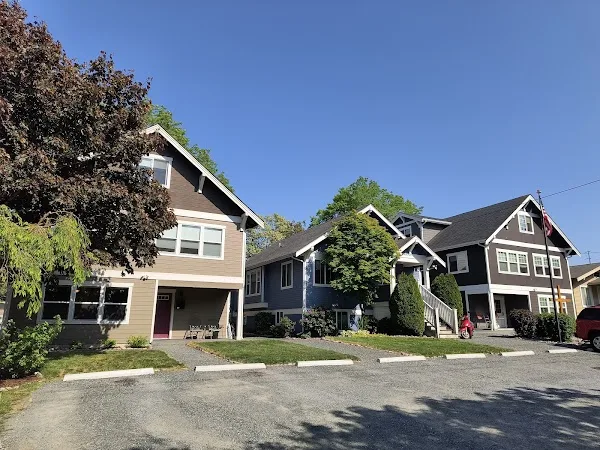
Sober living homes provide a supportive space for women transitioning from treatment to independent living. These homes promote sobriety while fostering community. Key features of women’s sober living homes in Washington, DC include:
- Structured Environment: A drug-free living space that encourages accountability.
- Peer Support: Opportunities to connect with other women in recovery, sharing experiences and encouragement.
- Life Skills Training: Programs designed to help women regain independence and develop essential life skills.
Support Groups
Support groups play a vital role in the recovery process. They provide women with a platform to share their stories, challenges, and victories. In Washington, DC, various support groups include:
- 12-Step Programs: Organizations like Alcoholics Anonymous (AA) and Narcotics Anonymous (NA) tailored for women.
- SMART Recovery: A science-based self-help program that empowers individuals in recovery.
- Women’s Circles: Community gatherings focused on building connections and support among women in recovery.
Local Washington Resources
Washington, DC offers a variety of resources dedicated to supporting women in addiction recovery. Some notable organizations include:
- The Women’s Treatment Program: A program specifically designed for women, addressing their unique needs in recovery.
- Community of Hope: Provides comprehensive support for homeless families, including addiction services.
- DC Department of Behavioral Health: Offers a range of mental health and addiction services tailored to meet the needs of women.
- Hope House: A sober living home that focuses on helping women achieve long-term recovery.
In conclusion, the path to recovery is one of empowerment and transformation. By utilizing the women-specific addiction treatment resources available in Washington, DC, women can find the support they need to reclaim their lives and thrive. Remember, you are not alone—community, understanding, and compassion are within reach.
Sober Network is a directory, not an intake form. Explore local facilities and contact providers directly.