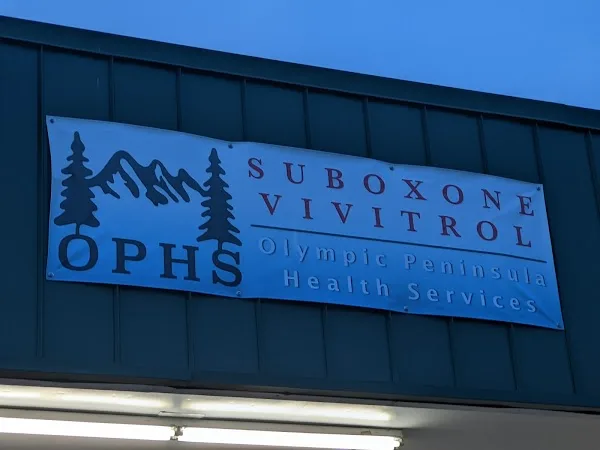

When seeking addiction treatment in Washington, the financial aspect can be overwhelming. Understanding your insurance coverage, exploring alternative payment methods, and knowing what resources are available can make the process smoother. This guide aims to provide a clear path for those looking into paying for rehab services.
Understanding Insurance Coverage
The first step in financing addiction treatment is understanding your health insurance policy. Many private insurance plans cover substance abuse treatment, but it's crucial to verify what specific treatments are covered and under what conditions. Contact your insurer directly to ask about:
- Covered services: What types of treatment (e.g., inpatient, outpatient) does your plan include?
- Network providers: Which rehab facilities are part of your insurance network?
- Deductibles and copayments: How much will you need to pay out-of-pocket before your coverage kicks in?
If you're uninsured or underinsured, don't lose hope. There are other avenues available.
Sliding Scale Fees and Financial Assistance Programs
Many rehab facilities offer sliding scale fees based on income, making treatment more affordable for those who qualify. Additionally, financial assistance programs can help cover the costs of treatment:
- State-funded programs: Washington State offers various resources through its Department of Social and Health Services (DSHS).
- Non-profit organizations: Groups like Alcoholics Anonymous (AA) and Narcotics Anonymous (NA) often have funds to assist members.
Contact Sober Network for a list of local facilities that offer these services. Each program has its own eligibility criteria, so it's important to gather all necessary documentation before applying.
Payment Plans and Loans
If you're unable to cover the full cost upfront, consider payment plans offered by some rehab centers or loans from financial institutions:
- Rehab center payment options: Some facilities allow patients to pay for treatment in installments.
- Personal loans: Banks and credit unions may offer personal loans specifically designed for medical expenses.
Taking the time to explore these alternatives can prevent financial stress from becoming an obstacle to recovery.
Coverage Through Medicare, Medicaid, and Other Public Programs
If you're eligible for public health insurance programs like Medicare or Medicaid, they may cover some or all of your rehab costs:
- Medicare: Part A covers inpatient hospital stays, while Parts B and D can help with outpatient care.
- Medicaid: This program provides comprehensive coverage for low-income individuals, including addiction treatment.
Check eligibility requirements on the official government websites or contact a local healthcare provider to learn more about how these programs can support your recovery journey.
Employer Assistance Programs and Employee Benefits
Your employer might offer an Employee Assistance Program (EAP) that includes mental health resources, including addiction treatment:
- EAP benefits: These programs often provide free counseling sessions or referrals to local rehab facilities.
- Health savings accounts (HSAs): If you have one, these can be used to pay for deductibles and copays related to your treatment.
Taking advantage of employer benefits can significantly reduce the financial burden associated with seeking help.
Contacting Rehab Facilities Directly
The best way to understand all available options is by contacting rehab facilities directly. Each center has unique policies and programs, so a personalized conversation will provide you with accurate information:
- Ask about payment plans: Inquire if the facility offers any financial assistance or flexible payment arrangements.
- Discuss insurance coverage: Clarify what your policy covers at their location.
This approach ensures you're well-informed and can make an educated decision regarding your treatment path.
In conclusion, while the cost of rehab in Washington might seem daunting, there are numerous ways to manage it effectively. By exploring insurance coverage, seeking financial assistance, considering payment plans, and leveraging public programs or employer benefits, you can find a solution that works for you. Remember, Sober Network is here to help connect you with local resources. Don't hesitate to reach out and start your journey towards recovery.
More Recovery Resources in Washington
Sober Network is a directory, not an intake form. Explore local facilities and contact providers directly.