
Finding the Right Path: Addiction Treatment Centers in Washington for 2026
Navigating the landscape of addiction treatment can feel overwhelming, especially when you're ready to take the brave step towards recovery. In Washington, a variety of resources and treatment centers are available to support you or your loved one. This guide aims to provide practical information to help you make an informed decision as you look ahead to 2026.
Understanding Your Needs: Levels of Care in Washington
The first step is understanding the different levels of care offered in Washington. The appropriate level depends on the severity of the addiction, any co-occurring mental health disorders, and individual needs.
- Medical Detoxification: This is often the first step for individuals with physical dependencies. Medical detox provides a safe and supervised environment to manage withdrawal symptoms. Facilities in Seattle and Spokane, for instance, often have dedicated detox units.
- Residential Treatment: This involves living at the treatment facility full-time, allowing for intensive therapy, counseling, and support. Residential programs typically last from 30 to 90 days, and some offer extended care options. Many residential centers are located in more rural areas of Washington, offering a serene setting conducive to healing.
- Partial Hospitalization Programs (PHP): PHP offers a structured treatment schedule similar to residential care, but patients return home in the evenings. This option is suitable for those who need intensive support but can maintain some independence. You can find several PHP options in larger cities like Tacoma and Vancouver.
- Intensive Outpatient Programs (IOP): IOPs provide a less intensive level of care than PHP, with patients attending therapy and counseling sessions several times a week. This is a good option for those who have completed residential treatment or need a step-down approach. Many outpatient clinics throughout Washington offer IOP programs.
- Outpatient Therapy: Individual or group therapy sessions on a weekly or bi-weekly basis. This is a good option for ongoing support and relapse prevention after completing a more intensive program. Therapists specializing in addiction recovery can be found in almost every city in Washington.
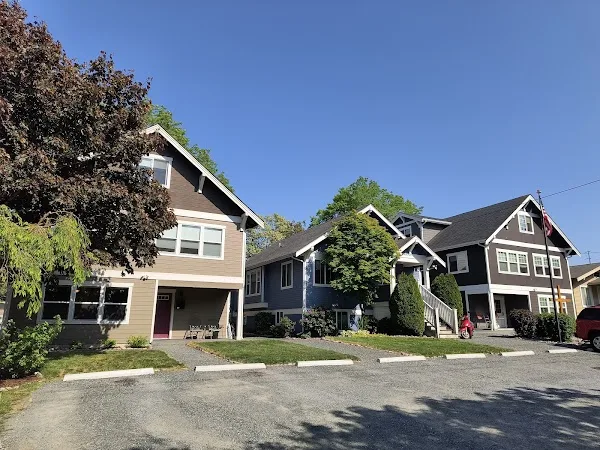
- Sober Living Homes: These homes provide a supportive and structured living environment for individuals in early recovery. Sober living homes often require residents to attend regular meetings, maintain sobriety, and participate in house activities. Many are located near treatment centers in areas like Bellevue and Redmond.
Key Factors to Consider When Choosing a Treatment Center in Washington
Choosing the right treatment center is crucial for successful recovery. Consider these factors when making your decision:
- Accreditation and Licensing: Ensure the treatment center is licensed by the Washington State Department of Health and accredited by reputable organizations like the Joint Commission or CARF International. This ensures the center meets certain quality standards.
- Treatment Philosophy: Different centers may employ different treatment philosophies, such as the 12-step model, cognitive behavioral therapy (CBT), dialectical behavior therapy (DBT), or medication-assisted treatment (MAT). Research the center's approach and ensure it aligns with your beliefs and needs.
- Specialized Programs: Some centers specialize in treating specific populations, such as adolescents, veterans, or individuals with co-occurring mental health disorders. If you have specific needs, look for a center with expertise in that area.
- Staff Qualifications: The qualifications and experience of the treatment team are essential. Look for centers with licensed therapists, counselors, medical doctors, and psychiatrists specializing in addiction treatment.
- Cost and Insurance Coverage: Addiction treatment can be expensive. Check with your insurance provider to see what services are covered. Many treatment centers in Washington accept private insurance, Medicaid, and Medicare. Some also offer payment plans or scholarships.
- Location and Environment: Consider the location and environment of the treatment center. Some individuals prefer a quiet, rural setting, while others prefer to be closer to urban amenities. Think about what kind of environment will best support your recovery.
- Aftercare Planning: A comprehensive aftercare plan is essential for maintaining long-term sobriety. Ensure the treatment center offers aftercare services, such as ongoing therapy, support groups, and alumni programs.
Exploring Treatment Options in Different Regions of Washington
Washington offers a diverse range of treatment options across the state. Here's a glimpse of what you can find in different regions:
- Seattle Metropolitan Area: Seattle and its surrounding suburbs have a high concentration of treatment centers, offering a full spectrum of care from detox to outpatient services. You'll find both large, established facilities and smaller, more personalized programs.
- Eastern Washington (Spokane, Tri-Cities): Spokane and the Tri-Cities area offer a mix of residential and outpatient treatment options. These areas often have more affordable options compared to the Seattle area.
- Western Washington (Tacoma, Olympia): Tacoma and Olympia provide a range of treatment services, including residential, PHP, and IOP programs. These cities are known for their community-based recovery resources.
- Rural Areas: Several treatment centers are located in more rural areas of Washington, offering a peaceful and secluded environment for recovery. These centers may be a good option for those who want to escape the hustle and bustle of city life.
Resources for Finding Addiction Treatment in Washington
Several resources can help you find addiction treatment centers in Washington:
- Washington State Department of Health: The DOH website provides information on licensed treatment providers in the state.
- Substance Abuse and Mental Health Services Administration (SAMHSA): SAMHSA's website has a behavioral health treatment services locator.
- National Institute on Drug Abuse (NIDA): NIDA offers evidence-based information on addiction and treatment.
- Your Insurance Provider: Contact your insurance provider to get a list of in-network treatment providers.
- Local Support Groups: Organizations like Alcoholics Anonymous (AA) and Narcotics Anonymous (NA) can provide referrals to treatment centers and other resources.
Looking Ahead: Trends in Addiction Treatment in Washington for 2026
As we look forward to 2026, several trends are shaping the landscape of addiction treatment in Washington:
- Increased Focus on Mental Health Integration: A growing emphasis on addressing co-occurring mental health disorders alongside addiction.
- Expansion of Telehealth Services: Increased access to treatment through online therapy and virtual support groups, especially beneficial for those in rural areas.
- Personalized Treatment Approaches: A shift towards tailoring treatment plans to individual needs and preferences, incorporating genetic testing and other personalized strategies.
- Medication-Assisted Treatment (MAT): Wider acceptance and utilization of MAT for opioid and alcohol use disorders.
- Community-Based Recovery Support: Strengthening community-based resources, such as recovery housing and peer support services.
Taking the first step towards recovery is a courageous decision. By understanding your needs, researching your options, and utilizing available resources, you can find the right addiction treatment center in Washington to support your journey to lasting sobriety. Remember that recovery is possible, and a brighter future awaits.
More Recovery Resources in Washington
Sober Network is a directory, not an intake form. Explore local facilities and contact providers directly.